Table Of Content
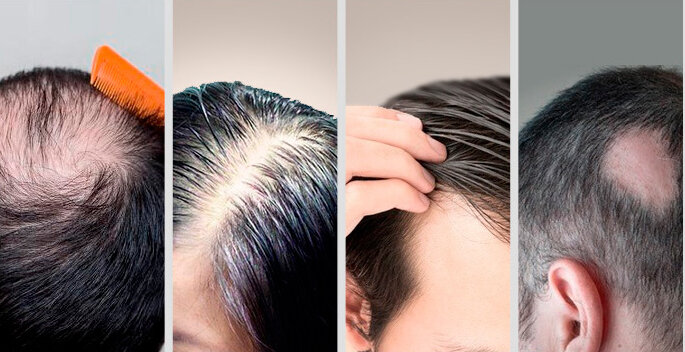
There’s a range of treatment options for hair loss, but the best option for you will depend on what’s causing your hair loss. Because so many things can cause hair loss, it’s best to schedule an appointment with a medical professional if you notice any changes in your hair. Tinea capitis, also called ringworm of the scalp, is a fungal infection that can affect the scalp and hair shaft. Over time, if not treated early, the size of the patch or patches will increase and fill with pus.

Men's Health
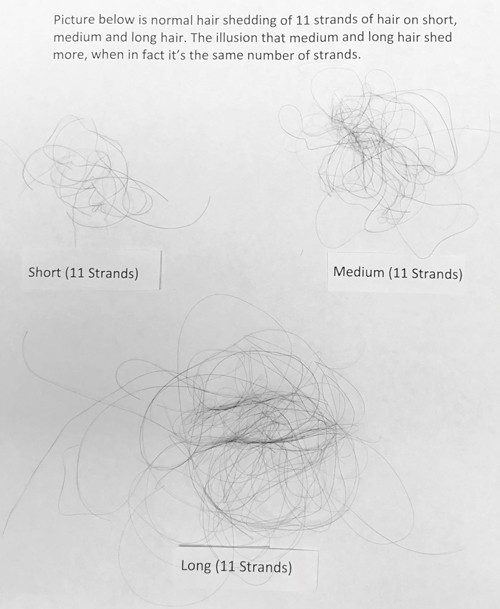
Even though you are losing hair, you are growing it back, so net hair remains constant. If you have longer hair, it may appear like you have lost a lot of hair, while shorter hair can appear to shed less. A new hair grows from the follicle to replace the old hair. This type of hair shedding won’t cause a dent in your hair line. Understanding the underlying cause of your hair loss is absolutely necessary in determining the best approach to halt and reverse any further damage to your hair and scalp.
The role of vitamins and minerals in hair health: Essential nutrients for strong and healthy hair
When the body sheds significantly more hairs every day, a person has excessive hair shedding. The medical term for this condition is telogen effluvium. Again, it's normal to lose hair daily, but you shouldn't be losing large chunks of it. "Seeking professional advice is particularly important if hair loss is accompanied by other symptoms, if you have a family history of severe hair loss, or if home remedies do not yield improvement." Baldness is often hereditary, and is activated by a shift in your hormones. If you’re experiencing elevated levels of the hormone dihydrotestosterone (DHT), your body will respond by shrinking your hair follicles and reducing the length of the hair growth cycle, according to Cleveland Clinic.
When to see a doctor about hair loss
Baldness (androgenic alopecia) is the most common type of hair loss. It affects an estimated 80 million individuals in the U.S. Whatever the cause of your hair loss, seeking medical attention from your primary care doctor or a dermatologist can help you identify underlying causes. Treatments for hair loss are more likely to be successful if started early.
What does normal hair growth look like?
Noticing the hair clumps in your shower drain or a hairbrush can feel incredibly alarming. The truth is the hair growth cycle includes a period of shedding and hair shedding is most often normal. When excessive shedding occurs, it can be attributed to various factors such as medical conditions, hormonal fluctuations, elevated stress levels, and genetic predisposition. If you’re dealing with thinning hair or balding, it is important to seek the help of a medical professional to understand the root cause of the problem.
Alopecia areata
Male-pattern baldness typically appears first at the hairline or top of the head. The telogen phase is a resting phase that lasts for about three months. During this phase, the hair follicle remains inactive, and the hair strand does not grow.
Stress, surgery, or even having a fever for a few days can bring on telogen effluvium, but your hair will probably be back to normal within six months. When you comb your hair, you will find some hair fall out, which is perfectly normal. Of course, there are a few caveats to both of these methods, including that these numbers are approximate and may differ between people with different types of hair. Also, we tend to lose more hair as we age, which, again, is normal. But the general idea is to get a baseline for your own head so you can tell when your hair loss has gotten worse.
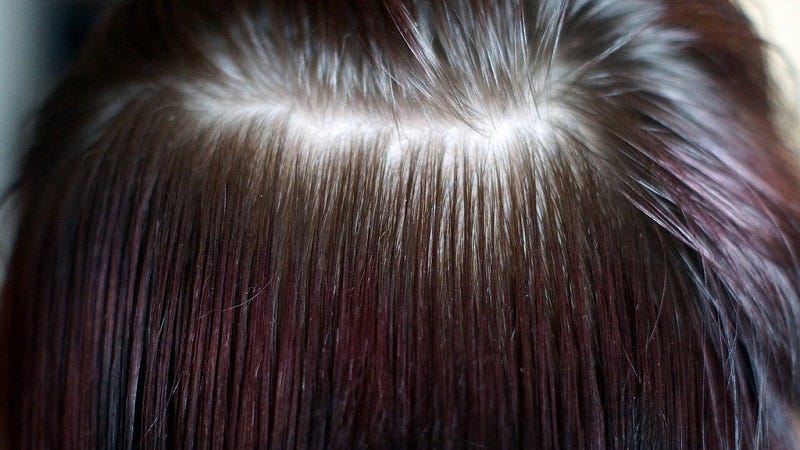
Another way that you can tell if you might be losing more hair than normal is by looking at your part. “Your hair part becomes wider” when you’re losing a lot of hair, Dr. Allenby explains. Do not spend time attempting to count every lost strand.
Postpartum Hair Loss: What to Know About Losing Hair After Pregnancy - Allure
Postpartum Hair Loss: What to Know About Losing Hair After Pregnancy.
Posted: Fri, 22 Mar 2024 07:00:00 GMT [source]
In addition, Dr. Mirmirani adds, there can be age-related, seasonal and hormonal variations in the rate of hair that you lose. "In some situations, you can expect ups and downs in the amount of hair you're shedding," she says. If you're looking for a visual scale of the hair balls produced from losing differing amounts of hair depending on hair length, she points to the images in a March 2017 issue of Dermatology and Therapy. If you have longer hair, Dr. Kuhn says, it's normal to find strands stuck to clothing or around the floors or furniture of your home. If you have long hair, a clump of 10 hairs might look like a lot, while if it's short, it may be tough to notice this at all.
This can be due to genetic factors, as well as natural aging. Most of us shed hair a little at a time — pretty much all the time.
Hormonal fluctuations related to pregnancy, childbirth, menopause, perimenopause, and thyroid issues can cause hair loss, says Dr. Rajagopal. Stress can also lead to hormonal changes in the body, particularly an increase in the stress hormone cortisol, which can also contribute to hair loss, she adds. Deficiencies in iron, zinc, vitamins A and D, and other essential nutrients can contribute to hair loss, Dr. Rajagopal says. A blood panel administered by your doctor can help you determine if you’re lacking in any vitamins or minerals.
On days when people with long or thick hair wash it, they could shed between 150 and 200 hairs. A dermatologist also can find the cause or causes and tell you what you can expect. Effective treatments options are available for many types of hair loss. A dermatologist is a medical doctor who specializes in treating the skin, hair, and nails. Of course, it's very normal to lose a few strands every day, but how much is enough to cause concern and prompt a dermatologist visit? Hair loss can sometimes be a sign of an underlying disease.